
Auckland painting guide
Paint preparation: what to check before repainting your home
Before you choose a start date, find out what the house needs underneath the new colour. Here’s where a pre-paint wash fits in, what happens afterwards and what to ask before accepting a painting quote.
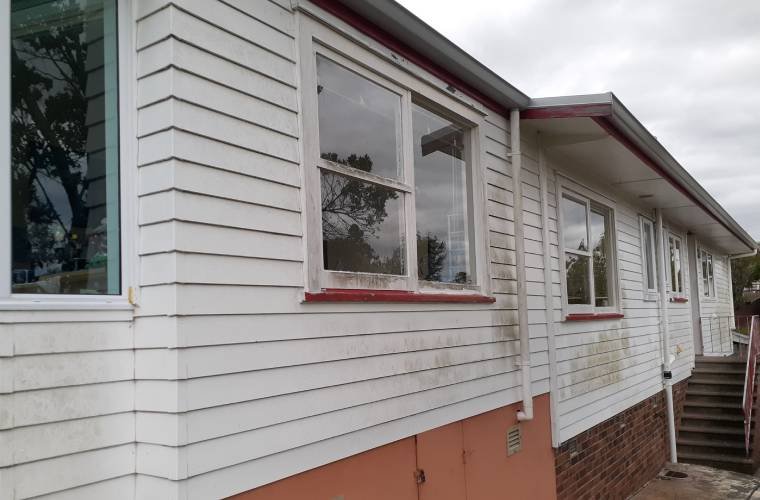
What does paint preparation include?
Paint preparation gets a surface clean, dry and stable enough for its next coating. Depending on its condition, that can include washing, removing loose paint, repairs, sanding and suitable primers or sealers. A pre-paint wash is one part of that process; the remaining preparation depends on the material and the old finish.[1]
Start with the condition of the house
A faded wall and a peeling wall can need quite different work. Show the painter any lifting paint, powdery residue, soft timber or stains that keep returning. Photos of the whole wall and close-ups of the problem areas are useful.
Ask which defects need repair before cleaning begins, especially around windows or anywhere water could get in. A recurring damp patch needs its cause addressed before repainting.
If lead paint or asbestos may be present, get the materials assessed before sanding, scraping or washing. High-pressure cleaning must not be used on asbestos-containing surfaces. Raise this before booking preparation work.[3, 4]
The usual order for exterior paint preparation
The exact method depends on the cladding and coating. For a typical exterior repaint, work through these stages with your painter.
-
Agree what is being painted
List the walls, eaves, fascia, doors and trims included. Identify repairs, access needs and areas that could be damaged by water. Do this before booking the wash so the cleaning scope matches the painting job.
-
Clean the surface and remove contamination
Dirt, mould, salt and chalky residue can interfere with the next coating. The cleaning method should suit the material and its condition. More pressure is not automatically a better clean, particularly around older timber and joinery.[1, 2]
-
Allow time for drying
Leave a gap in the schedule for the surface to dry. A shaded wall or absorbent material may need more time than a sunny, well-ventilated area. Your painter should check the surface against the chosen coating’s requirements before painting.
-
Deal with loose paint and repairs
The remaining coating needs checking after cleaning. Unsound paint, rough edges and damaged areas may need further work. Agree which filling and repairs are included, and whether larger defects need another trade before painting can continue.
-
Use the right primer or sealer where needed
Bare timber, repaired areas, stains and existing finishes can need different products. Ask the painter to explain the coating system, including any priming required during repairs, rather than assuming every surface gets the same treatment.[1, 2]
Need a pre-paint house wash?
House Wash NZ offers pre-paint washing for Auckland properties. Share the areas being repainted, photos and your painter’s proposed start date so the washing work can be quoted and scheduled.
Confirm the cleaning scope with the washing provider and the remaining preparation with your painter before booking.
See pre-paint washing at House Wash NZ →Preparing inside the house
Interior painting has its own preparation. Grease around a kitchen, glossy woodwork and old wall repairs need different attention. Cleaning, smoothing repairs and choosing suitable preparation coats should follow the surface and finish.[5]
Before work starts, clear small items, pictures and valuables. Agree who moves larger furniture, how floors will be protected and which rooms you still need to use.
Read about interior painting →
What should the preparation quote include?
Two quotes can cover different jobs. Look for these details before comparing the total.
- Surfaces
- Exactly which walls, ceilings, doors, trims or exterior areas are included.
- Cleaning
- Whether washing is included, arranged separately or already completed.
- Repairs
- The filling and paint removal allowed for, plus how extra repairs will be agreed.
- Access & care
- Scaffolding or other access costs, furniture arrangements and surface protection.
- Coatings & price
- The specified preparation coats and finishes, exclusions and whether the price includes GST.
Paint preparation questions
How long after washing can a house be painted?
There is no fixed waiting time for every house. The surface must meet the coating manufacturer’s drying and moisture requirements. Shade, weather, cladding and how wet the surface became all affect the timing. Ask your painter to confirm readiness before coating.
Will a pre-paint wash remove all the old paint?
No. Some loose paint may come away, but washing is not complete paint removal. The painter still needs to assess the remaining coating and decide what scraping, sanding or further preparation is needed.
Does every repaint need a full coat of primer?
No. Bare areas, repairs, stains and particular existing finishes can have different requirements. The primer or sealer should be chosen as part of a coating system suited to the surface.
Can I do some of the preparation myself?
Discuss it before the quote is agreed. Clearing the work area can help; washing or sanding should follow the painter’s requirements. Check unknown old coatings and cladding before disturbing them, and agree who will inspect the finished preparation.
How much does paint preparation cost in Auckland?
It depends on the surface condition, repairs, access and amount of cleaning or paint removal needed. Ask for the preparation to be described in the quote, and confirm whether washing, scaffolding, repairs and GST are included.
Not sure how much preparation your home needs?
Send Vinmark Painters your Auckland suburb, the areas you want painted and a few photos of the existing finish. Mention any peeling paint, damage or dates you need us to work around.
vinmarkpainters@outlook.com